

“Common gym supplement could help fight depression, new research suggests”
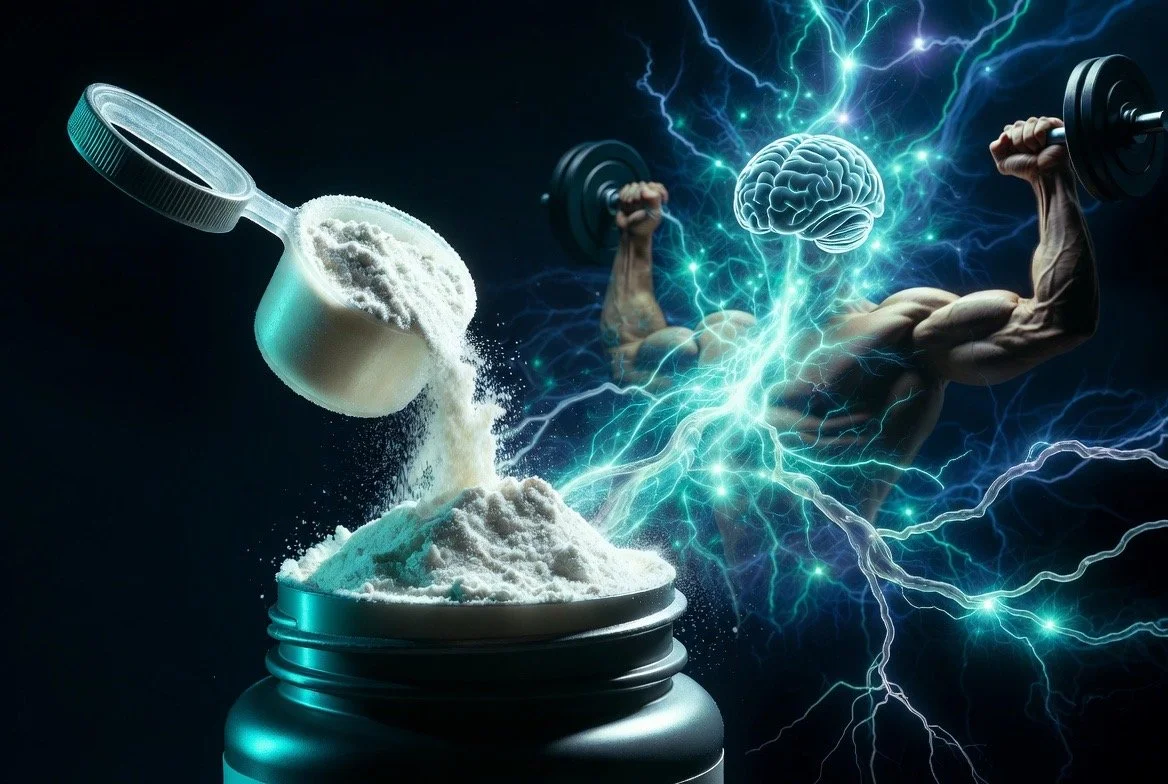
Creatine isn’t a niche bodybuilding supplement anymore. It’s become a multi-billion-dollar industry. The global market has already surpassed $1.5 billion, is growing at around 12% per year, and some analysts project it could exceed $8 billion within the next decade. What was once considered a gym supplement is quickly becoming a mainstream health supplement.
Increases strength and power - Supports muscle growth - Improves exercise performance - Speeds recovery - Enhances brain function - May help healthy aging………..and now, it fights depression! Too good to be true? What’s will it do next? Cure Parkinson’s disease, autism, etc? I know it seems like I’m being cynical, but when there are billions of dollars to be made, we need to pay careful attention to the research and news. That said, my thoughts below.
Creatine: More Than Just a Gym Staple? Exploring Muscle, Mind, and the Hype
Creatine monohydrate is one of the most popular and well-researched supplements in the fitness world. Generations of athletes and gym-goers have used it to support strength, power, and muscle endurance during high-intensity training. But emerging research is shining a light on potential cognitive and mood benefits too—prompting headlines like the recent Fox News piece on its possible role in fighting depression symptoms.
As someone who values evidence-based wellness, I’m excited about creatine’s promise, but I’m also cautious. Let’s break it down with balanced perspective, including why you should do your own research before jumping in.
Proven Benefits for Muscle and Performance
Creatine helps your muscles produce energy quickly by replenishing ATP (adenosine triphosphate), the primary energy currency for short, intense efforts like lifting weights, sprinting, or HIIT. Supplementing with it (typically 3–5 grams daily after an optional loading phase) is consistently linked to:
• Increased muscle strength and power output.
• Improved endurance in repeated high-intensity bouts.
• Better recovery and lean mass gains when combined with resistance training.
• Support for vegetarians/vegans, who often have lower natural creatine stores from diet.
These physical benefits are backed by decades of studies and remain creatine’s strongest, most reliable use case.
Emerging Cognitive and Mood Support
Beyond the gym, creatine plays a role in brain energy metabolism. The brain uses a lot of energy, and some research suggests supplementation may help with:
• Memory, attention, and processing speed—especially under stress, sleep deprivation, or in certain populations (e.g., women, older adults, or those with lower baseline levels).
• Potential adjunctive support for mood disorders. A recent systematic review highlighted studies where creatine (often 5g/day) added to antidepressants like escitalopram or cognitive behavioral therapy (CBT) showed greater symptom improvement in some adults with major depressive disorder compared to standard treatment alone.
Other trials have been mixed - some showing no clear benefit in teens or bipolar depression cases - and experts emphasize the evidence is preliminary. Mechanisms may involve better brain energy availability, influences on neurotransmitters like dopamine and serotonin, or reduced inflammation/oxidative stress.
It’s promising as a low-cost, generally safe add-on, but not a cure or standalone treatment.
The Cautionary Side: Hype, Money, and Individual Differences
Fitness and supplement industries are big business. Positive headlines drive clicks, sales, and influencer partnerships. While creatine has a strong safety profile for most healthy adults (mild stomach upset is the main reported side effect), media coverage can amplify early or small studies while downplaying limitations like small sample sizes, mixed results, and the need for larger trials.
Always ask:
• Who funded or benefits from this narrative?
• Is the article balanced, or cherry-picked?
• Does it apply to me - considering age, sex, health conditions, medications, or kidney function?
If you’re dealing with depression or anxiety: Articles like this can be encouraging and spark helpful conversations with your doctor. But they are not medical advice. Depression is complex and heterogeneous. Creatine should never replace evidence-based care like therapy, medication (if prescribed), exercise, sleep, nutrition, or professional support. Consult a healthcare provider before starting - especially with pre-existing conditions.
Practical Takeaways
• For fitness: Creatine is a solid, evidence-backed tool for muscle endurance and performance. 3–5g daily (monohydrate form) is standard; consistency matters more than timing.
• For brain health: It’s an interesting area worth watching and potentially trying under guidance, particularly if you train hard, eat low-meat diets, or face cognitive demands.
• General advice: Pair it with fundamentals - strength training, balanced diet, good sleep, and stress management. Stay hydrated.
• Do your homework: Read primary studies or reviews from sources like PubMed. Track how you feel personally.
Creatine isn’t magic, but it’s one of the more legitimate supplements out there with a dual role in body and brain health. Approach it thoughtfully, prioritize professional medical advice for mental health concerns, and focus on sustainable habits over quick fixes.
What are your experiences with creatine? Have you noticed physical or mental differences? Share in the comments - I’d love to hear (while remembering we’re all unique).
Disclaimer: This post is for informational purposes only and is not a substitute for professional medical advice. Consult your doctor before starting any supplement.